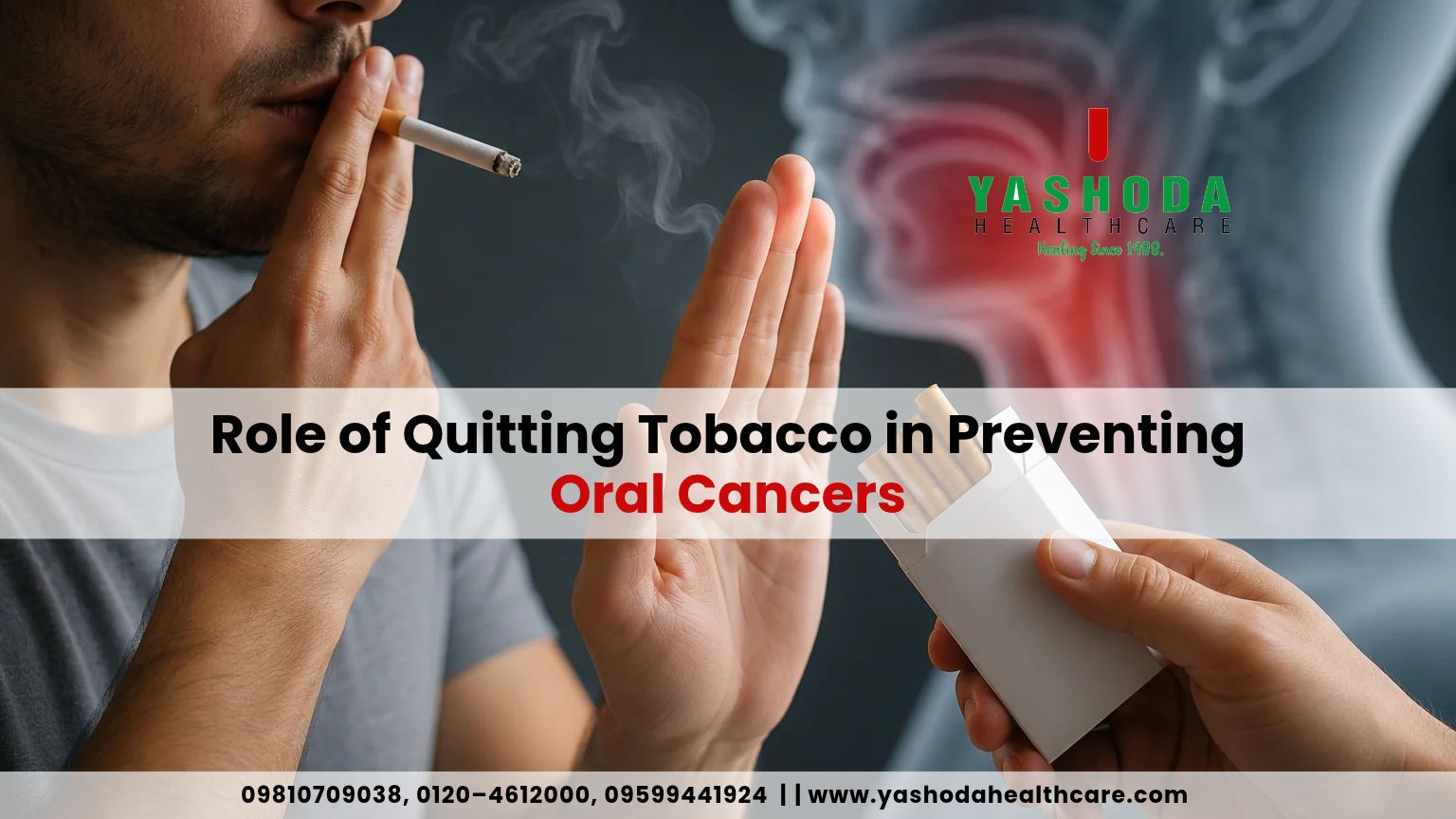
Smoking is a major health hazard associated with several serious illnesses, including lung diseases, heart diseases, and various types of cancer. Among these, oral cancer is one of the most common and serious conditions linked to prolonged tobacco consumption.
Oral cancer is a type of head and neck cancer that develops when abnormal cells in the tissues of the mouth and throat grow uncontrollably and spread to other parts of the body. Tobacco smoke contains at least 70 carcinogens (cancer-causing chemicals) that can damage the DNA of cells in the mouth and throat. This damage can lead to genetic mutations, eventually increasing the risk of cancer.
Although smoking is one of the leading causes of oral cancer, it is not the only contributing factor. Studies suggest that smokers are six times more likely to develop oral cancer than non-smokers. This raises an important question: Can quitting smoking help prevent oral cancer?
Role of Tobacco Cessation in Preventing Oral Cancer
Quitting tobacco may not completely eliminate the risk of developing oral cancer, but it can significantly reduce the chances of developing the disease. Research suggests that the risk of mouth and throat cancer decreases by approximately 50% within five years of quitting tobacco. After ten years, the risk may become comparable to that of someone who has never smoked.
Therefore, quitting smoking is a beneficial decision, even for individuals who have been consuming tobacco for many years. Staying away from tobacco allows the body to recover from some of the harmful effects of smoking and reduces the risk of developing tobacco-related cancers.
Tips to Quit Smoking
The first and most important step towards quitting tobacco is self-realisation. Accepting that you have developed an addiction is essential to beginning the quitting journey. Once you recognise the need for change and understand the impact of smoking on your health, quitting becomes a more conscious and determined decision.
Here are some effective tips that can help you quit smoking:
1. Build a Strong Support System
Start by setting a quit date and making a firm commitment to stop smoking. The next step is to remove cigarettes, lighters, ashtrays, and other tobacco-related products from your surroundings. Getting rid of these reminders can help reduce temptation.
Inform your family members, friends, and people around you about your decision. Their encouragement and support can make the quitting process easier and help you stay motivated.
2. Consider Medication and Nicotine Replacement Therapy
Nicotine Replacement Therapy (NRT), including nicotine patches, gums, and lozenges, can help manage withdrawal symptoms and reduce nicotine cravings.
In addition to NRT, certain prescription medications may also help people quit smoking. However, these medications should only be taken after consulting a qualified healthcare professional.
3. Manage Cravings and Learn to Overcome Them
Keeping yourself distracted can be an effective way to manage smoking cravings. Engaging in activities such as calling a friend, going for a walk, playing games, or pursuing a hobby can help shift your attention away from smoking.
If you experience an immediate oral craving, keeping your mouth occupied may also help. You can try chewing sugar-free gum, using a toothpick, or having sugar-free candies.
Remember the 4 D’s to manage smoking cravings:
- Delay: Wait for 5–10 minutes before acting on the craving.
- Deep Breathing: Take slow, deep breaths to relax your mind and body.
- Drink Water: Drink a glass of water to help distract yourself.
- Do Something Else: Engage in another activity to keep your mind occupied.
4. Change Your Daily Routine and Avoid Triggers
Certain daily habits can trigger the urge to smoke. For example, smoking while having morning tea or coffee or immediately after meals can become deeply associated with your routine.
Identifying these triggers and replacing them with healthier alternatives can help you avoid smoking. Additionally, limiting alcohol consumption and staying away from smoking areas or social gatherings where tobacco is commonly used can support your quitting journey.
5. Learn to Overcome Relapses
Quitting smoking is a gradual process, and occasional setbacks may happen along the way. Experiencing a relapse does not mean that you have failed or need to return to your previous smoking habits.
If you happen to smoke a cigarette after quitting, acknowledge the setback and get back on track. Focus on your long-term goal of becoming completely free from tobacco and nicotine. Maintaining a positive mindset and learning from setbacks can help you continue working towards a healthier lifestyle.
How Family and Friends Can Help Someone Quit Smoking
Although quitting tobacco involves personal commitment and lifestyle changes, the people around you can play an equally important role in supporting your journey. Family members, friends, and peers can provide the encouragement needed to overcome cravings and stay tobacco-free.
Here are some ways in which they can help:
1. Provide Emotional Support
Quitting tobacco can be emotionally challenging, particularly for individuals who have been smoking for several years. Nicotine withdrawal may cause stress, irritability, and mood changes.
During this period, family members should remain patient, understanding, and non-judgmental. Offering emotional reassurance and encouragement can help individuals manage cravings and cope with withdrawal symptoms.
2. Create a Smoke-Free Environment and Offer Distractions
A smoke-free environment can make the quitting process easier. Parents, friends, and close family members can help by establishing tobacco-free spaces, discouraging passive smoking, and avoiding situations that encourage tobacco consumption.
They can also encourage healthier activities such as cycling, walking, outdoor trips, or participating in hobbies. These activities can provide positive distractions and help individuals stay focused on their goal.
3. Track Milestones and Celebrate Achievements
Recognising small achievements can help individuals remain motivated throughout their quitting journey. Family members can encourage them by acknowledging milestones, celebrating progress, and appreciating their efforts.
At home, parents and loved ones can create a supportive environment where individuals feel valued and encouraged for taking positive steps towards a healthier lifestyle.
Best Hospital and Doctors for Oral Cancer Treatment in Delhi NCR(Noida, Ghaziabad)
Yashoda Superspeciality Hospital & Cancer Institutes in Sanjay Nagar is one of the best hospitals in Delhi NCR for comprehensive medical care. We bring together world-class experts to handle everything from general health issues to complex cancers, all under one roof.
Dr. (Brig.) Arvind Kumar Tyagi, Director of Surgical Oncology and Robotic Cancer Surgery at Yashoda Superspeciality Hospital & Cancer Institutes, Sanjay Nagar comes with over thirty years of clinical experience, serving across various Armed Forces Hospitals all over India. His specialisations lie in head and neck oncosurgery, thoracic oncosurgery, gastrointestinal oncosurgery, etc.
Dr. (Maj. Gen.) B.N. Kapur is one of the best oncologists in Delhi NCR and is the Director of Medical
Oncology at Yashoda Hospital, Sanjay Nagar. His specialisations lie in haematolymphoid malignancy,
paediatric tumours and solid tumours.
Dr. (Maj. Gen.) Dharmesh S Swaroop is Director of Medical Oncology and comes with over thirty years of experience in the field. With specialisation like gynaecological malignancies, GI malignancies and malignancies of breast, he is known to combine his clinical expertise with patient-centric approach.
For appointments or bookings, you may contact us at – 9810709038, 0120-4612000